
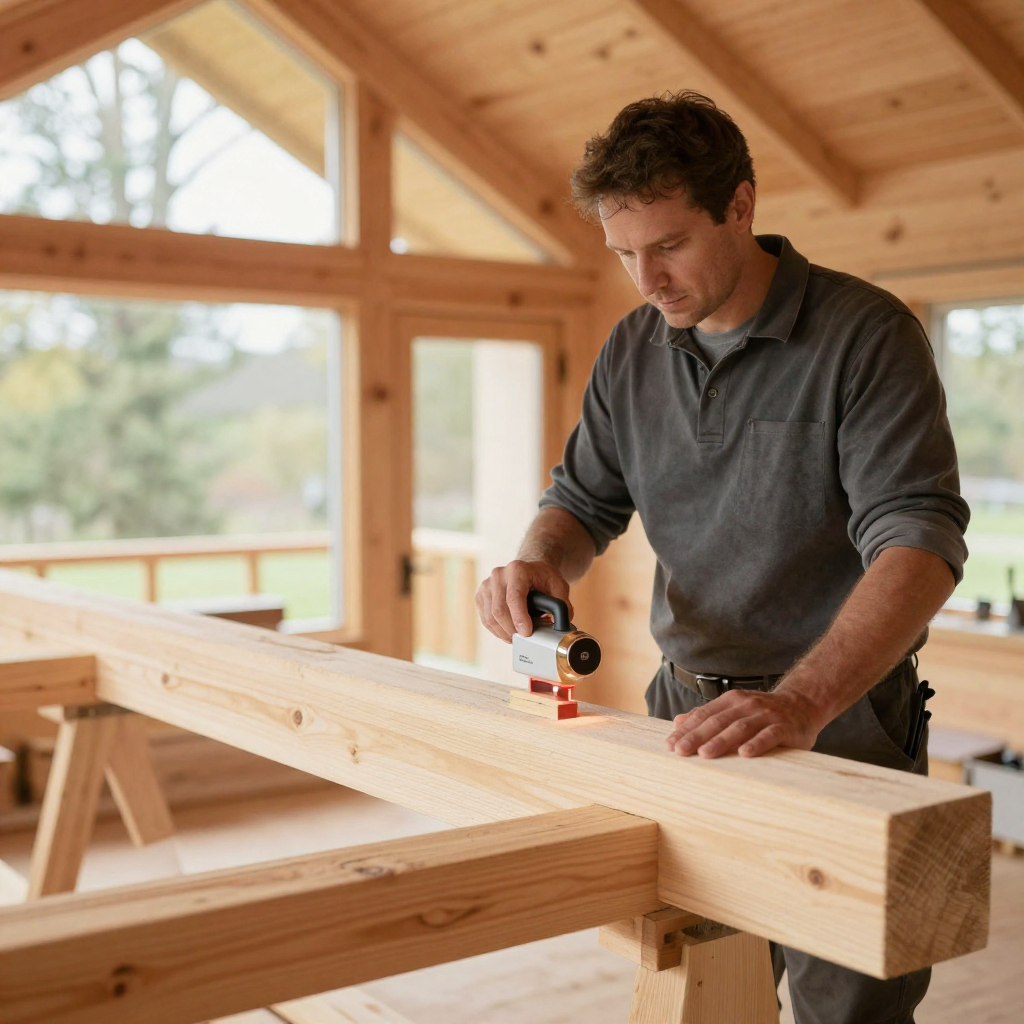
Wood is one of the most durable, versatile, and attractive materials used in homes, buildings, furniture, and outdoor structures. From roof beams and flooring to furniture, fences, decking, and wooden cabins, timber adds warmth and long-term value to any property. However, because wood is a natural material, it requires proper preservation to remain strong and beautiful over time.
Without maintenance, timber can become vulnerable to moisture, woodworm, termites, mold, sunlight, cracking, and structural wear. Small problems often begin quietly and worsen gradually, leading to expensive repairs if ignored. The good news is that wood preservation for long-term durability is possible with the right care and preventive measures.
Protecting timber is not only about appearance — it is also about maintaining strength, structural safety, and long-term value. Consistent maintenance can help wood last for decades or even generations.
Many homeowners researching timber care through shashel.eu/ understand that long-term wood durability depends on prevention, proper treatment, and routine maintenance.
In this guide, we will explain how to preserve wood for long-term durability and protect wooden structures from damage.
Why Wood Preservation Matters
Wood naturally changes over time.
Without preservation, timber may become vulnerable to:
- Moisture damage
- Woodworm infestation
- Termites
- Mold and fungal growth
- Cracking and splitting
- Sunlight damage
Benefits of Proper Preservation
Wood preservation helps improve:
- Strength
- Lifespan
- Appearance
- Structural safety
Preventive care saves money in the long run.
Healthy timber lasts much longer.
Keep Wood Dry
Moisture is one of the biggest threats to wood durability.
Why Moisture Damages Wood
Damp timber becomes vulnerable to:
- Rot
- Mold
- Woodworm
- Structural weakening
Common Moisture Sources
Watch for:
- Roof leaks
- Plumbing leaks
- Condensation
Dry wood naturally resists damage better.
Fix moisture issues quickly.
Many homeowners exploring long-term timber care through shashel.eu understand that moisture prevention is one of the most important parts of preserving wood naturally.
Improve Ventilation
Poor airflow traps humidity.
Why Ventilation Matters
Healthy airflow helps:
- Reduce moisture buildup
- Lower pest risk
High-Risk Areas Include
- Attics
- Crawl spaces
- Roof spaces
Good ventilation protects timber naturally.
Dry conditions improve durability.
Protect Against Woodworm and Pests
Wood-boring insects can quietly weaken timber.
Common Timber Pests Include
- Woodworm beetles
- Termites
- Powderpost beetles
Prevention Tips
Reduce risk by:
- Keeping timber dry
- Improving airflow
- Inspecting regularly
Healthy timber naturally discourages pests.
Early detection matters.
Apply Protective Wood Finishes
Protective coatings help preserve wood surfaces.
Benefits of Protective Finishes
Good treatments may help resist:
- Moisture
- Surface wear
- Weather exposure
Common Options Include
- Wood oils
- Protective sealants
- Weather-resistant coatings
Routine maintenance improves results.
Outdoor timber especially benefits from protection.
Seal Cracks and Openings
Small openings increase vulnerability.
Why Cracks Matter
Openings may allow:
- Moisture entry
- Pest access
Areas Worth Inspecting
Check:
- Roof beams
- Window frames
- Flooring
Repairing cracks early improves protection.
Small repairs prevent larger problems.
Inspect Wood Regularly
Routine inspection helps identify problems early.
What to Look For
Watch for:
- Tiny holes
- Powdery dust
- Weak wood
- Cracks
Best Inspection Times
Inspect timber:
- Seasonally
- After storms
- Following winter
Frequent checks improve durability.
Prevention saves money.
Protect Outdoor Wood From Weather
Outdoor timber faces extra environmental stress.
Outdoor Structures to Protect
Maintain:
- Decking
- Pergolas
- Fences
- Garden furniture
Helpful Protection Tips
Use:
- Waterproof finishes
- UV-resistant coatings
Outdoor wood lasts longer with proper care.
Control Indoor Humidity
Humidity affects timber health indoors.
Why Humidity Matters
Too much moisture may cause:
- Swelling
- Mold growth
Helpful Solutions
Improve:
- Ventilation
Consider:
- Dehumidifiers
Balanced indoor conditions improve wood durability.
Healthy environments matter.
Store Wood Properly
Poor storage increases risk of damage.
Best Storage Conditions
Keep wood:
- Dry
- Elevated
- Well ventilated
Avoid:
- Damp garages
- Wet basements
Healthy storage supports long-term durability.
Protect Wooden Furniture
Furniture preservation matters too.
Helpful Furniture Maintenance Tips
Inspect for:
- Tiny holes
- Cracks
- Loose joints
Avoid
- Excess moisture
- Harsh cleaning products
Routine care improves lifespan.
Antique furniture deserves extra attention.
Consider Modern Wood Protection Methods
Modern treatment options continue evolving.
Common Solutions Include
- Heat treatment
- Microwave treatment
These methods may help eliminate hidden timber pests safely.
Professional advice improves results.
Many homeowners researching timber care through shashel.eu increasingly explore advanced treatment options for long-term wood protection.
Repair Damage Early
Small damage becomes expensive if ignored.
Never Ignore
- Small cracks
- Weak timber
- Moisture stains
Fast repairs improve preservation.
Early action protects structural strength.
Common Mistakes Homeowners Make
Ignoring Moisture
Dampness causes major timber problems.
Skipping Inspections
Hidden damage spreads quietly.
Delaying Repairs
Small issues grow larger over time.
Forgetting Hidden Areas
Attics and crawl spaces deserve attention.
Consistency matters.
Long-Term Benefits of Wood Preservation
Preserving timber offers major advantages.
Key Benefits Include
- Longer wood lifespan
- Lower repair costs
- Better structural safety
- Improved appearance
- Higher property value
Healthy wood protects the entire property.
Prevention saves money.
Conclusion
Wood preservation for long-term durability requires regular maintenance, moisture control, ventilation, inspections, and preventive care. Because timber naturally faces risks from pests, weather, mold, and aging, consistent protection is essential for maintaining strength and appearance.
Keeping wood dry, applying protective finishes, repairing damage early, inspecting regularly, and improving ventilation are some of the best ways to preserve timber for many years.
Many homeowners researching timber care through shashel.eu understand that long-term wood durability begins with prevention rather than expensive repairs later.